- Online Greeting cards and gift retailer
- WELCOME TO CARDS FOR GOOD CAUSES!
- Login / Register
- WELCOME TO CARDS FOR GOOD CAUSES!
Diwali, also known as Deepavali, is one of the most widely celebrated festivals in the world — especially in India and across South Asia. But as its popularity spreads globally, many people are curious to learn more about what Diwali is, how it’s celebrated, and why it holds such deep meaning for millions.
Whether you’re hearing about it for the first time or just want to understand it better, this blog answers some of the most frequently asked questions about Diwali.
What is Diwali and what does it celebrate?
Diwali is known as the Festival of Lights. The name “Deepavali” comes from Sanskrit, meaning “row of lights”, referring to the traditional oil lamps (diyas) lit during the celebration.
The festival symbolises the victory of light over darkness, good over evil, and knowledge over ignorance. It’s celebrated by Hindus, but also by many Jains, Sikhs, and Buddhists, each with their own historical and spiritual interpretations.
For Hindus, Diwali marks the return of Lord Rama to Ayodhya after defeating the demon king Ravana, an event from the epic Ramayana. In other regions, it commemorates Goddess Lakshmi, the deity of wealth and prosperity, or the slaying of the demon Narakasura by Lord Krishna.
When is Diwali?
Diwali doesn’t fall on the same date each year because it follows the lunar calendar. It usually occurs in October or November. In 2025, Diwali will begin on October 20 and finish on October 21.
How is Diwali celebrated?
Decorations and lights are central to Diwali celebrations. Homes and streets are lit with diyas (oil lamps), candles, and fairy lights, creating a warm, glowing atmosphere.
Other key elements include:
Can I send a card to celebrate Diwali?
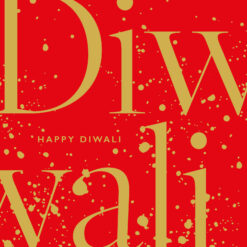
Yes, and it’s a lovely gesture! Sending a Diwali card is a thoughtful way to share in the joy of the festival and show appreciation for friends, colleagues, neighbours, or clients who celebrate. Cards often feature beautiful imagery like diyas, rangoli, or lotus flowers, and messages of light, prosperity, and happiness.
Whether you’re sending a physical Diwali card or an e-card, it’s a simple way to connect and honour the spirit of the celebration.
What should you write in a Diwali card?
If you’re wondering what to write in your Diwali card, here are some message suggestions, ranging from traditional blessings to modern expressions of joy:
Traditional & Warm
Modern & Friendly
For Business or Colleagues
To conclude
Diwali is more than just a beautiful festival of lights, it’s a deeply spiritual and joyful time that celebrates hope, renewal, and human connection. Whether you’re celebrating it yourself or sharing thoughtful greetings with someone who is, Diwali offers a message the whole world can relate to: that even in the darkest times, light will always find its way through.
Wishing you and your loved ones a joyful and peaceful Diwali!